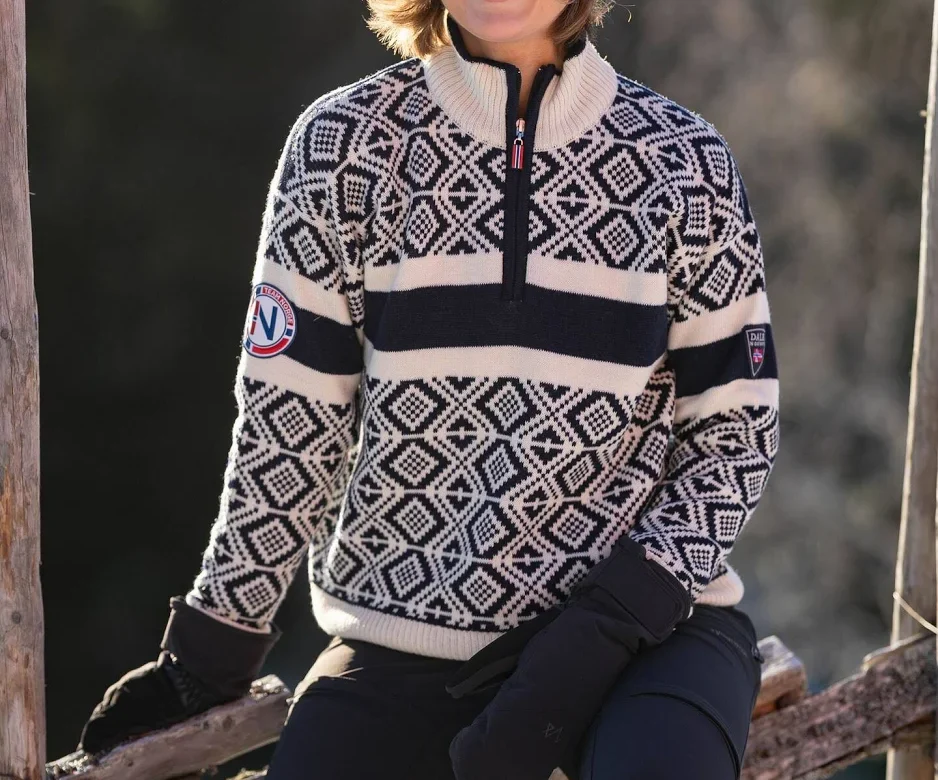
Knitting may be fading globally — but in the Nordic North, it’s a cultural powerhouse
In much of the world, knitting is drifting into the background. It’s a hobby tucked between forgotten craft books and dusty yarn baskets, overshadowed by fast fashion and digital distractions. But travel north past the fjords, the forests, and the long winter nights and you’ll find a different story entirely.
“Knitting may be fading in much of the world, but in Norway it’s not a hobby it’s a heartbeat woven into everyday life.”
In the Nordic countries, and especially in Norway, knitting isn’t just alive. It’s thriving.
A Tradition Woven Into the Landscape
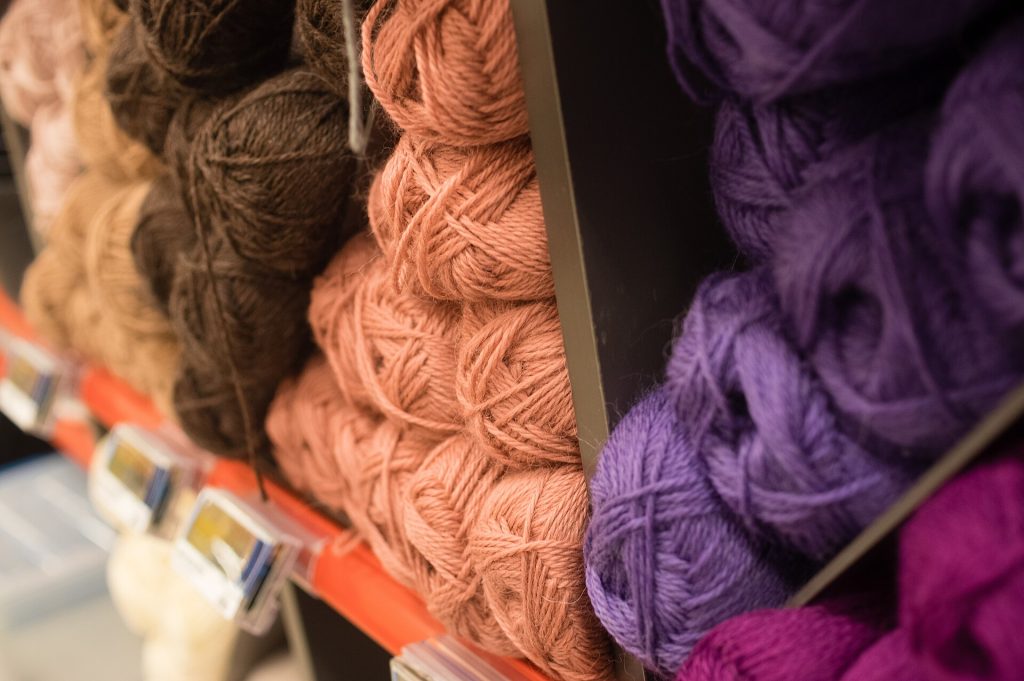
To understand why knitting remains so powerful in Norway, you have to understand the rhythm of life there. Long winters, dramatic weather, and a deep connection to nature have shaped a culture where wool isn’t just a material it’s a necessity.
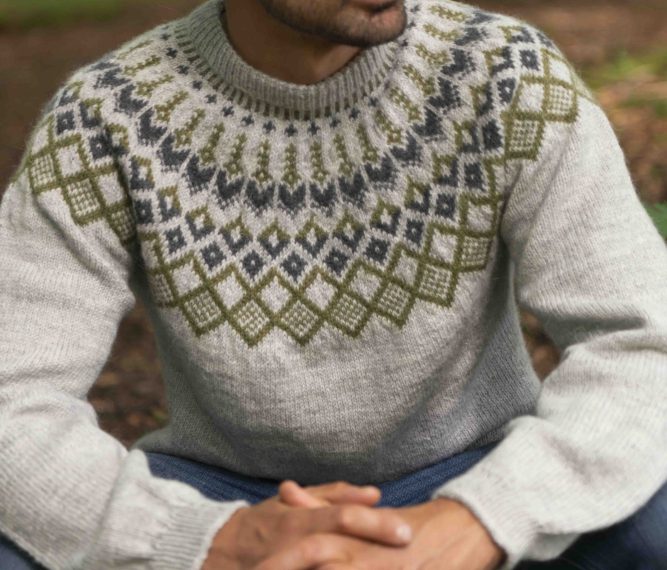
Generations grew up wrapped in hand‑knitted sweaters, each pattern carrying meaning:
- Selburose stars for protection
- Setesdal dots symbolizing ancient traditions
- Nordic crosses echoing centuries of heritage
These aren’t just garments. They’re stories worn on the body.
Meanwhile, Beyond the Fjords…
Globally, knitting has slipped from mainstream culture. Fast fashion made clothing cheaper than yarn. Urban lifestyles left little time for slow crafts. And many younger generations simply never learned.
In some countries, knitting is seen as quaint, old‑fashioned, or even obsolete a relic of a pre‑digital world.
But in Norway? It’s a national pastime.
Why Norway Never Stopped Knitting
1. A Cultural Identity Built on Wool
Norwegian wool is iconic warm, durable, and tied to the country’s rugged identity. Knitting is part of that story, a craft passed down like a family heirloom.
2. Schoolchildren Learn It Early
In many Norwegian schools, knitting is still taught as part of the curriculum. Kids learn to cast on before they learn algebra.
3. The Rise of Modern Designers
Contemporary brands like Dale of Norway, Rauma, and Sandnes Garn have turned traditional patterns into fashion statements. Knitting has become stylish again but without losing its roots.
4. Community Is Everything
Knitting groups, cafés, festivals, and online communities keep the craft social. In Norway, knitting isn’t solitary — it’s shared.
5. Slow Craft in a Fast World
While the rest of the world races ahead, Norwegians embrace the meditative calm of knitting. It’s a counterbalance to modern life.
The Global Comeback Led by the North
Interestingly, as knitting declines in many places, the Nordic influence is sparking a quiet revival.
- International knit‑along events
- Pattern books translated into dozens of languages
- YouTube tutorials featuring Norwegian techniques
- Designers gaining cult followings abroad
The world is rediscovering the charm of handmade clothing and Norway is leading the charge.

More Than a Hobby, A Way of Life
In Norway, knitting isn’t a trend. It’s a cultural anchor. A way to stay warm, stay connected, and stay grounded. A craft that survived industrialization, globalization, and the digital age not by resisting change, but by embracing it with wool‑covered arms.
While knitting may be fading elsewhere, in the Nordic countries it remains a vibrant, living tradition. And as the world grows more chaotic, more digital, more disposable, the slow, steady rhythm of the needles feels more relevant than ever.